
News
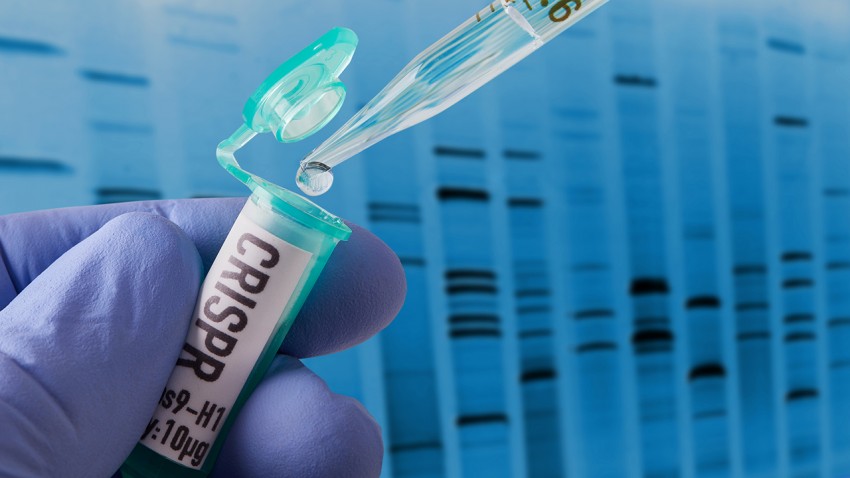
A new engineered gene editing system addresses some of the limitations of current gene editing tools with the hope of improving their use for research, for better crops or to treat diseases.

Matthew Zipple was named a Blavatnik Regional Award finalist for showing how natural environments can reshape behavior and health.

Two Cornell researchers join forces to produce a substance that could keep knees, hips and shoulders gliding smoothly for a lifetime.
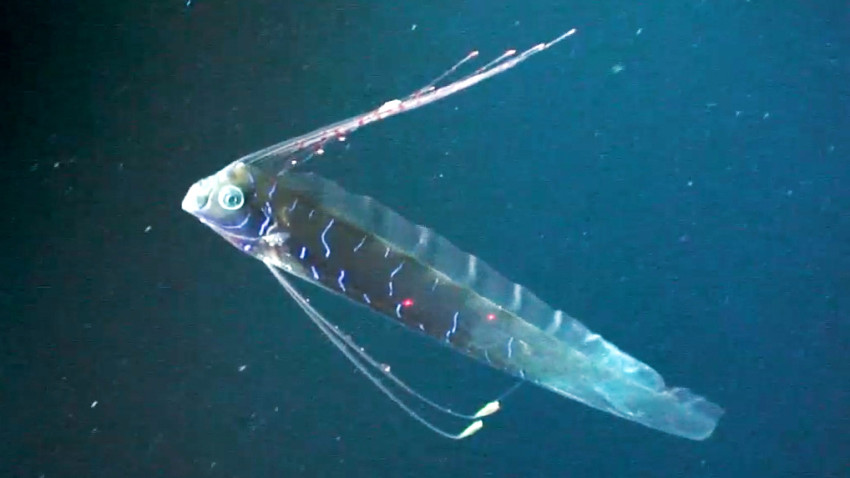
Oarfish, giant fish rarely spotted by humans, have hundreds of unique dorsal fin rays, which help propel the fish forward.

Cornell faculty members, academic departments and groups of departments are invited to submit nominations for the A.D. White Professors-at-Large Program in the fields of arts, humanities, life sciences and physical sciences.

New research has found that although food companies recognized clear benefits to pooling confidential food safety, concerns about trust, competition and shared standards continue to stand in the way.

Researchers at the College of Veterinary Medicine and the Baker Institute of Animal Health have documented the first molecular characterization of Marfan syndrome, a rare inherited disorder that weakens connective tissues, in domestic cats.
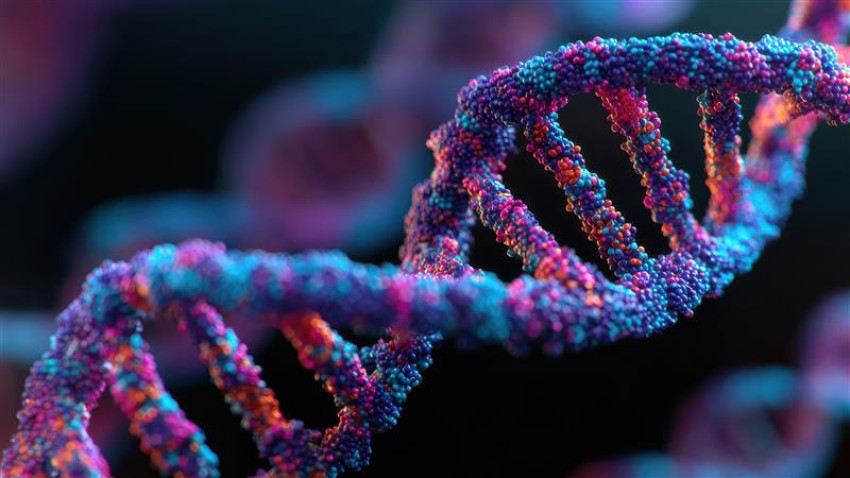
Scientists found a human genetic element in a poxvirus that is both an important gene for brain function and a jumping gene capable of moving and inserting itself in genomes.
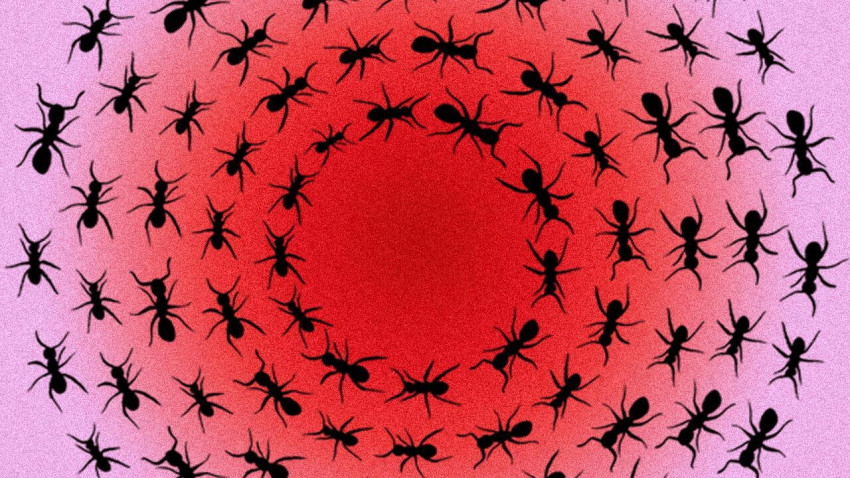
Study reveals how a few very general constraints can lead to echo chambers – self-reinforcing feedback loops – in biological systems such as birds in a flock, cells in tissue or ants in a swarm.

At the Center for Teaching Innovation’s Sept. 30 “What Works” event, Cornell faculty presenters and attendees will share ideas, inspirations, challenges and experiences about how to build a classroom where students feel connected and empowered.
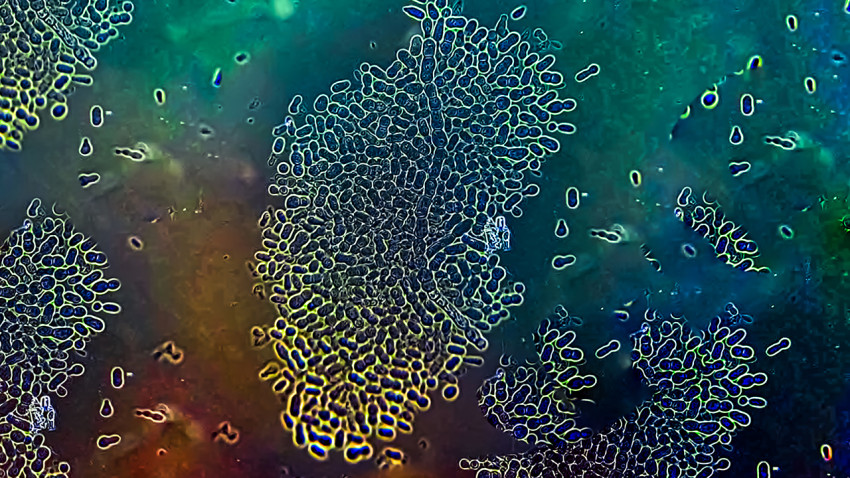
Fungal diseases can contribute up to 20% of staple crop losses and drug-resistant fungal infections lead to some 3.8 million human deaths, globally per year.