News

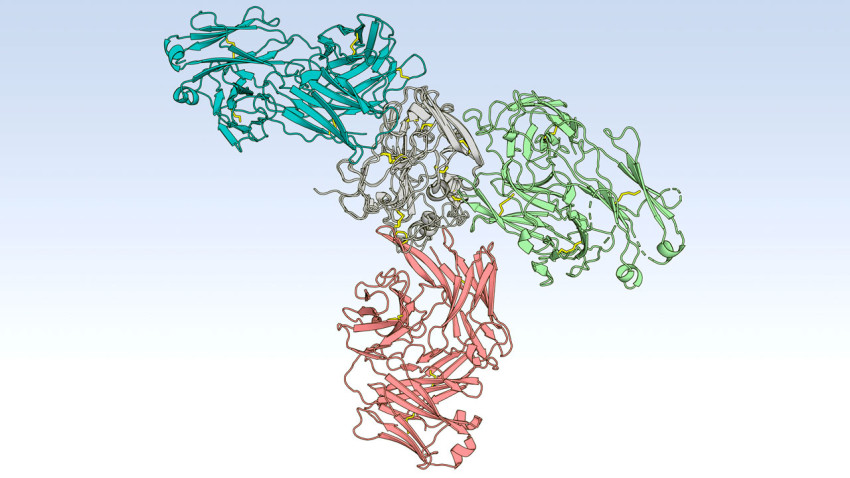
As psychedelic drugs gain more support from the medical community as a potential treatment for severe depression, Cornell researchers are making crucial discoveries that explain how compounds such as psilocybin work on the brain.
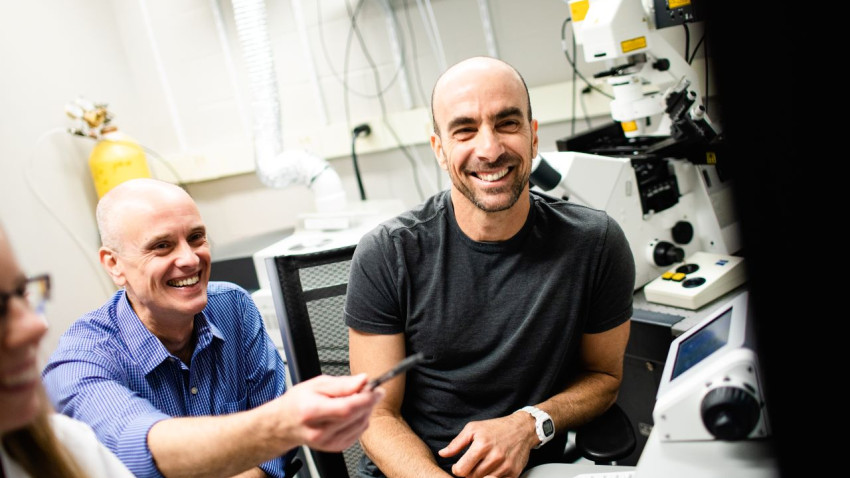
The U.S. Food and Drug Administration (FDA) has granted Breakthrough Device Designation to NSE-FAST®, the first rapid blood test designed to aid in the diagnosis of acute ischemic stroke.
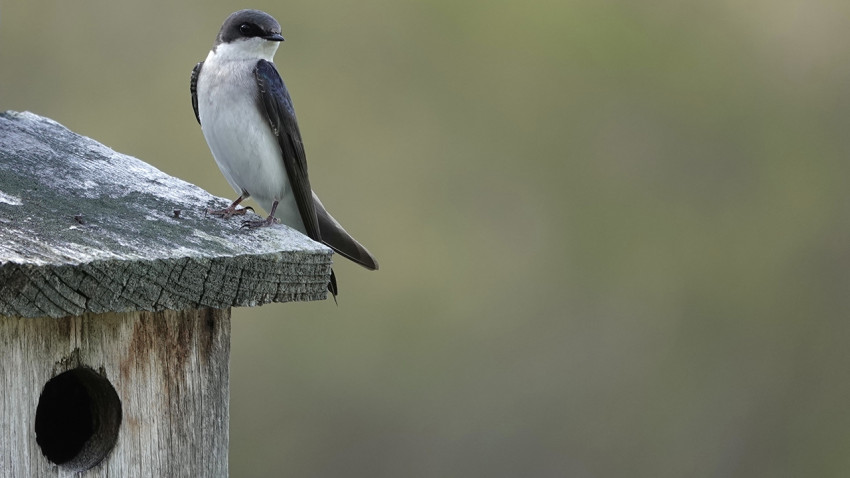
Tree swallows in the northern U.S. and Canada face the greatest risk from climate change despite responding to temperature the same way as tree swallows in the southern U.S.

A Cornell-led study is challenging a decades-old explanation for how chromosomes exchange genetic material within the biological process that forms eggs and sperm in mammals.
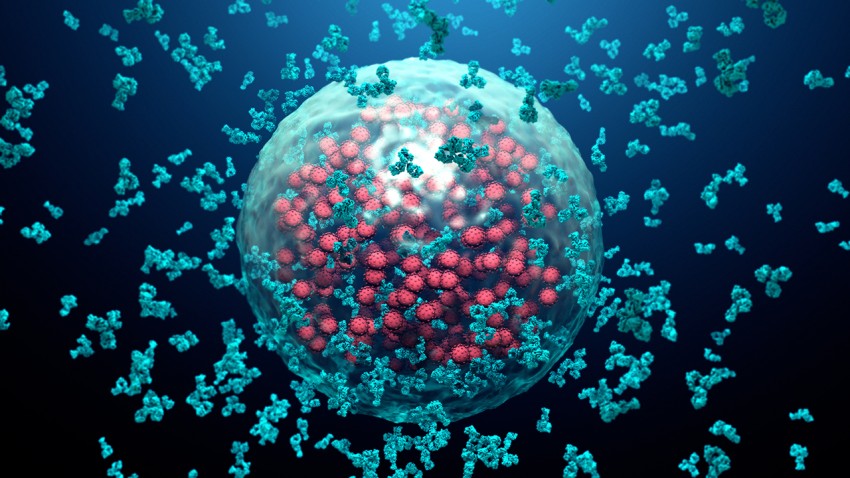
A $13.3 million grant from the NIH will support efforts to reveal how immune cells communicate within living tissues, which could shape new approaches for treating inflammatory diseases, autoimmune disorders and infections.
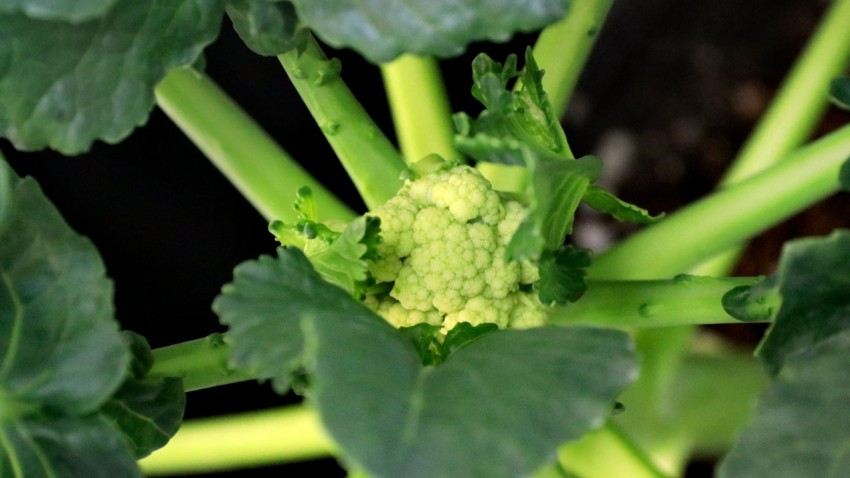
Expanding broccoli production on the East Coast and outside of California can help stabilize fresh produce supply chains that are vulnerable to water shortages.
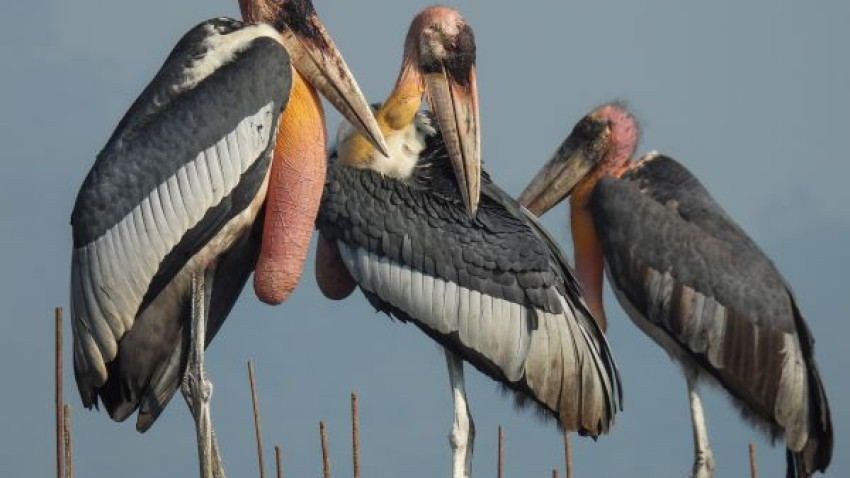
The CCF provides catalytic seed funding to spark pioneering applied research to advance wildlife conservation solutions. The fund prioritizes initiatives that improve the health of free-ranging wildlife and/or solve environmental problems via a One Health lens.
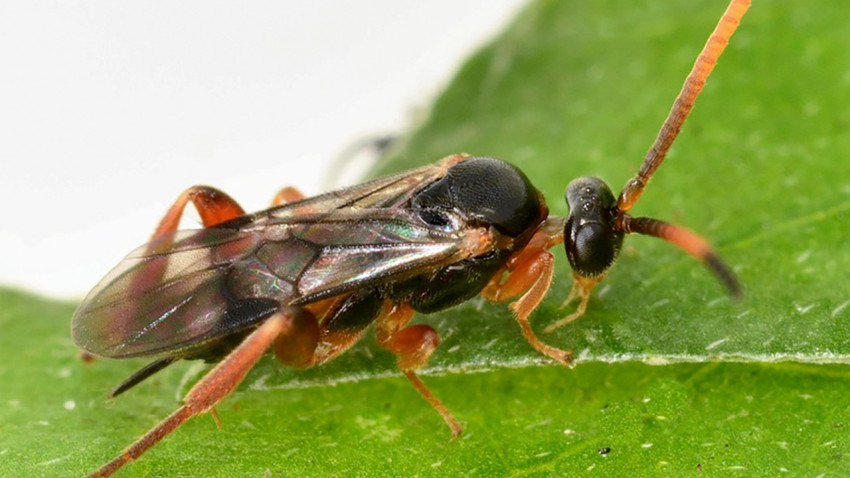
A new estimate of insect species globally finds that there may be 8 to 14 million more species than people thought, with few of them discovered.
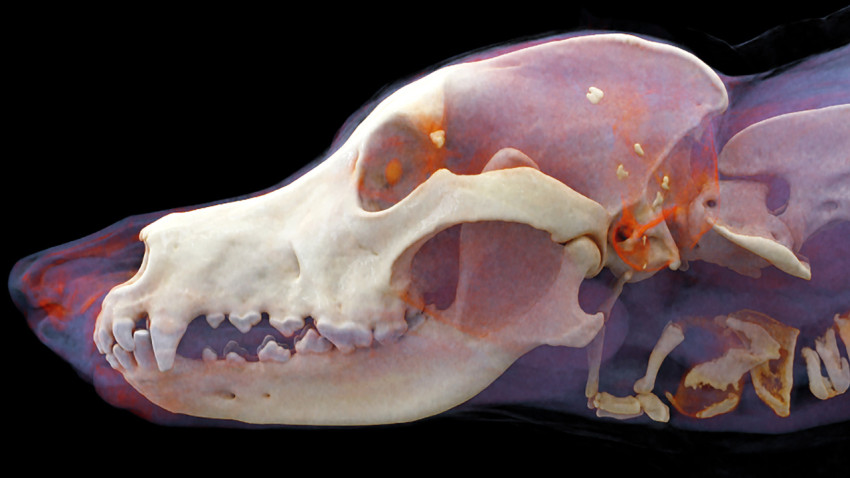
A new study deepens the understanding of canine skull shapes, helping veterinarians distinguish problems from normal variation.
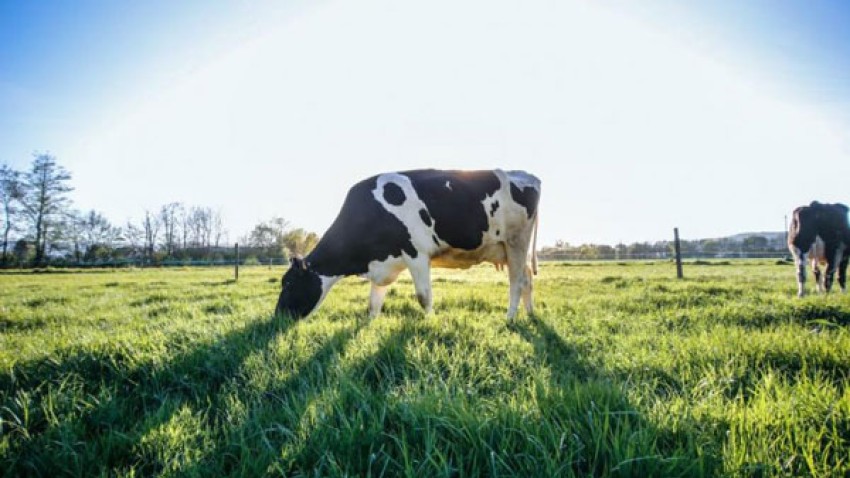
Heat stress on dairy cows not only decreases the amount of milk produced but also the fat and protein content, doubling the economic losses.
Thirteen Cornell students will spend the summer advancing new technologies for agriculture after receiving 2026 Research Innovation Fund awards from the Cornell Institute for Digital Agriculture.