News
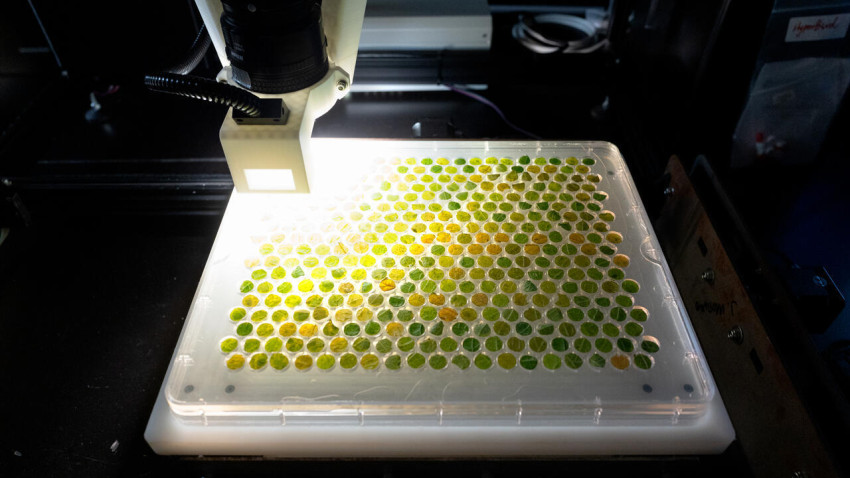
The cutting-edge imaging platform observes microscopic traits in plants and can detect grape diseases that cost vineyard owners billions in annual losses globally.

Twenty new faculty have joined the College of Arts & Sciences this year, strengtheningdepartments and programs with their wide-ranging expertise and filling numerous leadershiproles for the College and university.

Life Science Core Day, taking place Sept. 22, offers Cornell researchers a chance to explore an extraordinary range of specialized life science core facilities, technologies, and expertise available to them from across campus in one place.

Researchers will be able to track the brainwaves of animals as they move in natural habitats and interact with each other – complex behaviors that have been impossible to study in the lab.
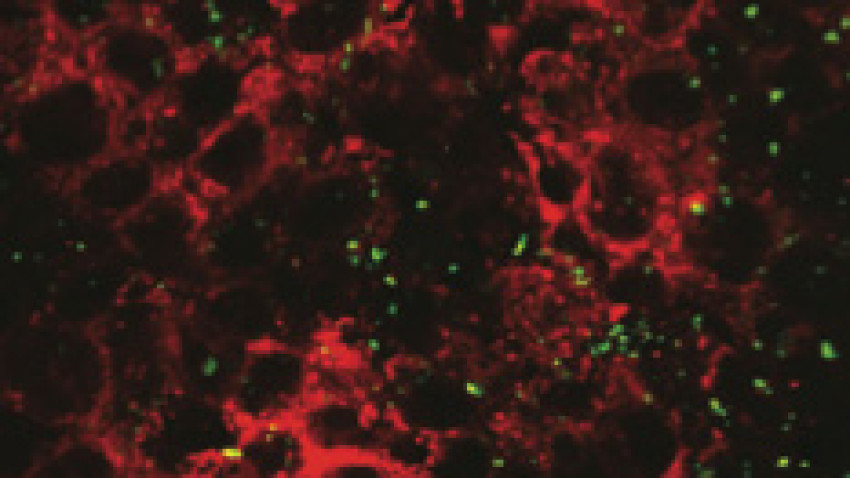
Cornell researchers have used artificial intelligence to uncover a previously unknown way cells control how proteins move inside them, a process essential for growth, communication and movement, and one that is often disrupted in cancer.

James Balog will discuss his work documenting the world-wide rapid retreat of glaciers on Sept. 17 as part of the visiting professors program.
A Cornell-led research project is developing robots that can perform labor-intensive orchard operations; it’s supported by a four-year, $7.5 million grant from the U.S. Department of Agriculture’s Specialty Crop Research Initiative.

This discovery could help engineer living materials into different forms, such as the custom of growing bridges from roots in India, and breeding kale so it’s smooth instead of crinkly.
Edgar Medina Tovar joins the Weill Institute for Cell and Molecular Biology and the College of Arts & Sciences as an assistant research professor in September. He will begin as an assistant professor in January 2027.

Celebrate birds with a fun-filled day of free workshops, presentations, bird walks, and more at the Cornell Lab of Ornithology on Sept. 12 from 10 a.m to 3 p.m.
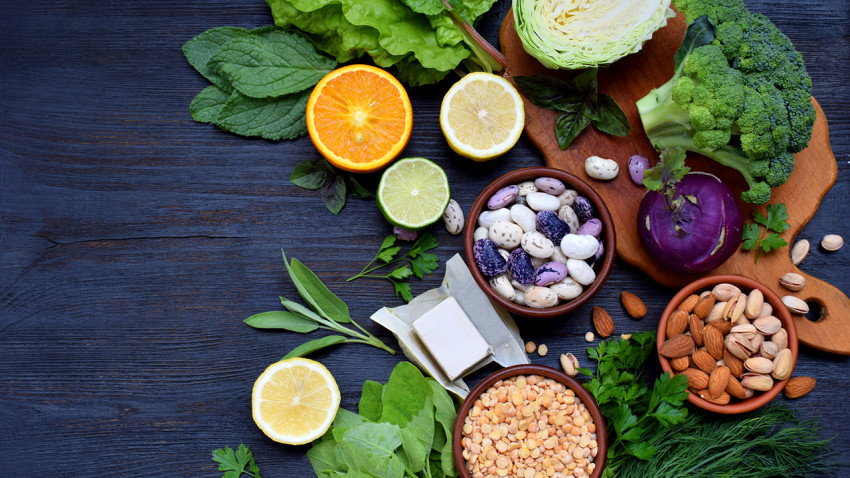
Folic acid does not elevate toxic formaldehyde in the body, according to a new study on mice and human cancer patients who consumed high doses.