News
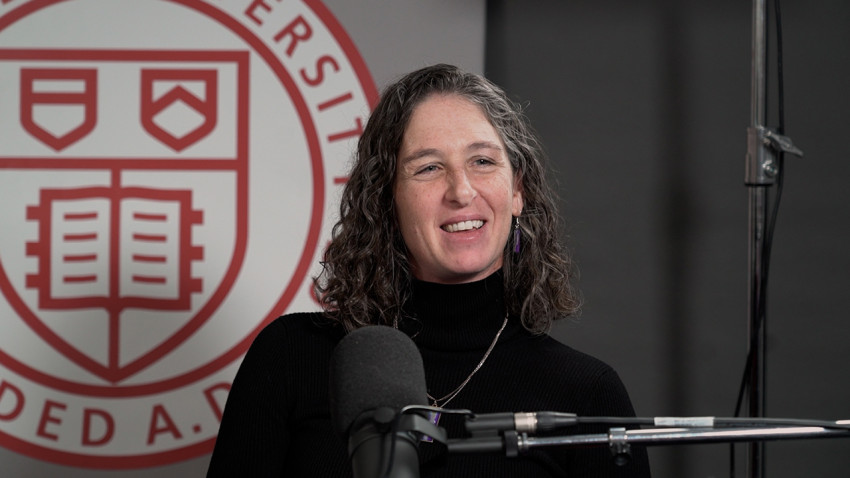
Elisha Frye, D.V.M. ’10, explains how Cornell’s Animal Health Diagnostic Center works at the front lines of detecting and preventing diseases that can jump between animals and humans.
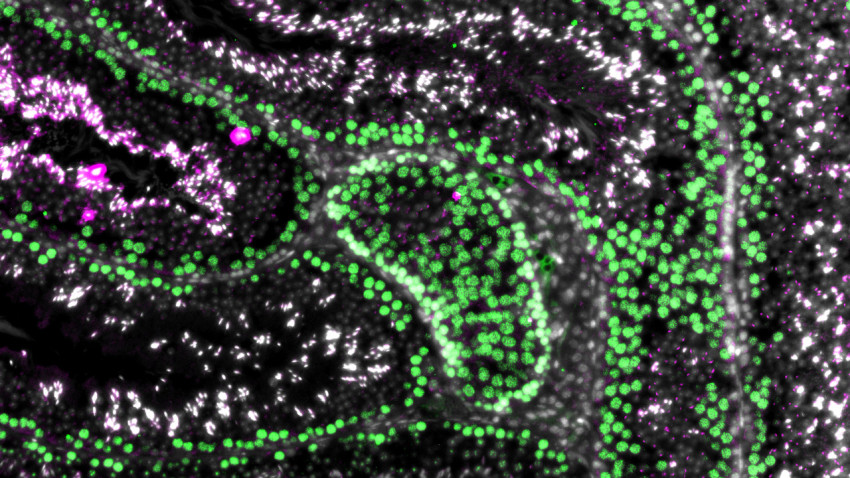
A proof of principle study in mice, six years in the making, shows how targeting a natural checkpoint in meiosis, the process by which sex cells reproduce, safely stopped sperm production.
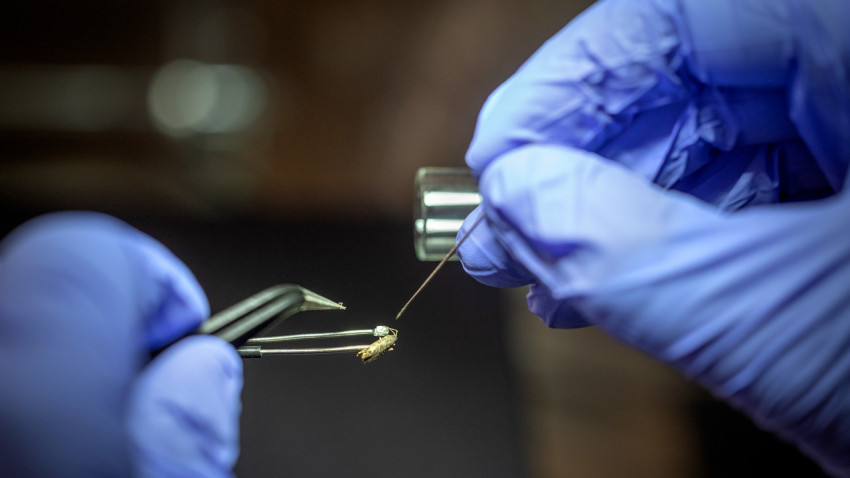
The device, called an electroantennogram, allows researchers to identify the exact scent molecules detected by an insect’s antennae.
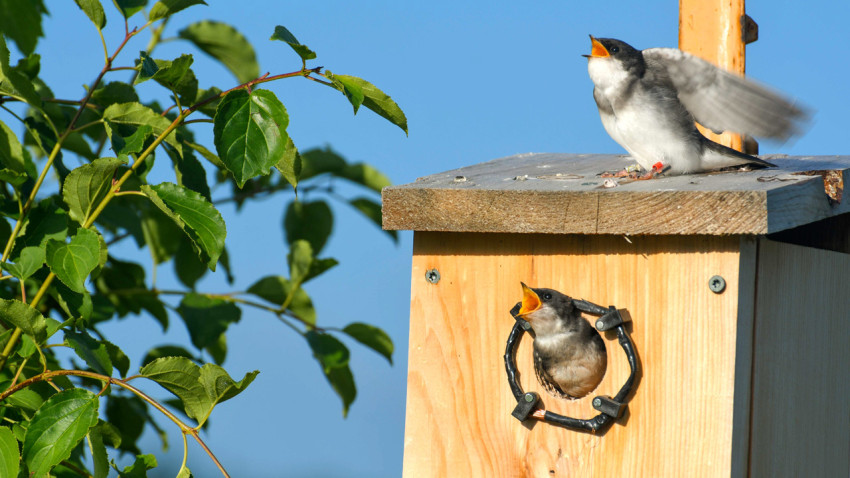
Warming temperatures cause tree swallows to nest up earlier than they once did, but early spring cold snaps can hinder nestlings’ growth and survival.
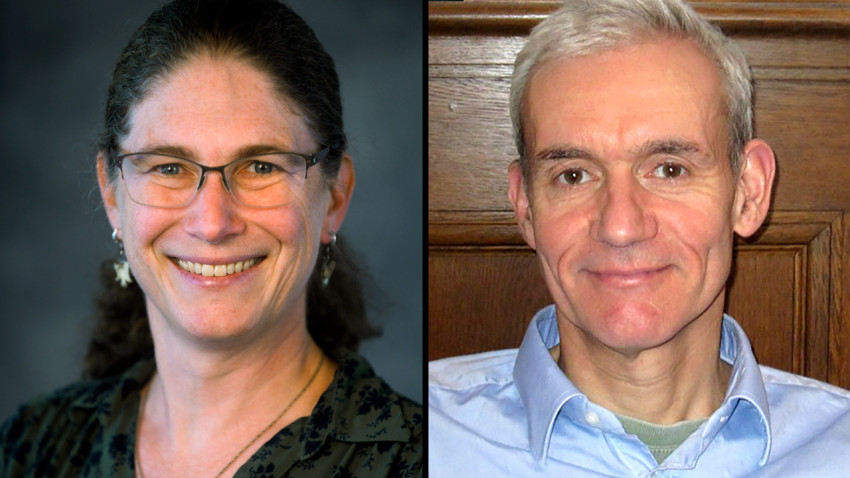
Engineering professor Lara Estroff and plant science professor Klaas van Wijk have been elected fellows of the American Association for the Advancement of Science, the world’s largest general scientific society.
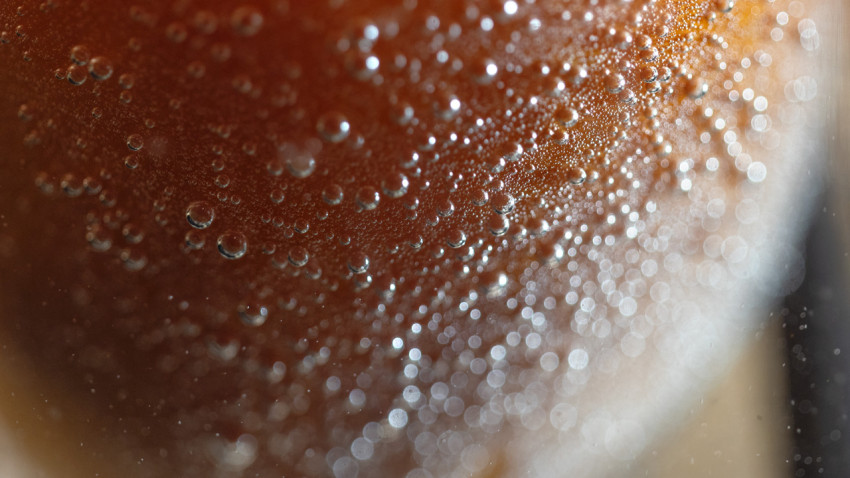
A bubble bath with a constant acoustic sound in the water may be the best chemical-free, gentle method for cleaning agricultural produce.

The Center for Research on Programmable Plant Systems (CROPPS) has been selected to help shape a new international effort to reimagine the future of food systems through the CIFAR Arrell Future of Food Initiative.
Vipan Kumar, associate professor in the School of Integrative Plant Science, is conducting research to understand the biology of weed resistance to herbicides.
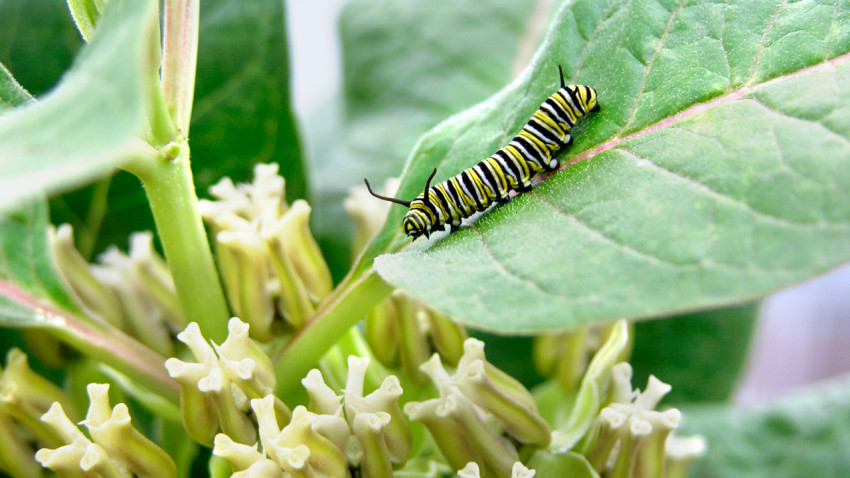
Milkweed has found a new strategy in its epic evolutionary battle with monarch butterflies: structurally upgrading its toxins to outmaneuver monarchs' resistance.
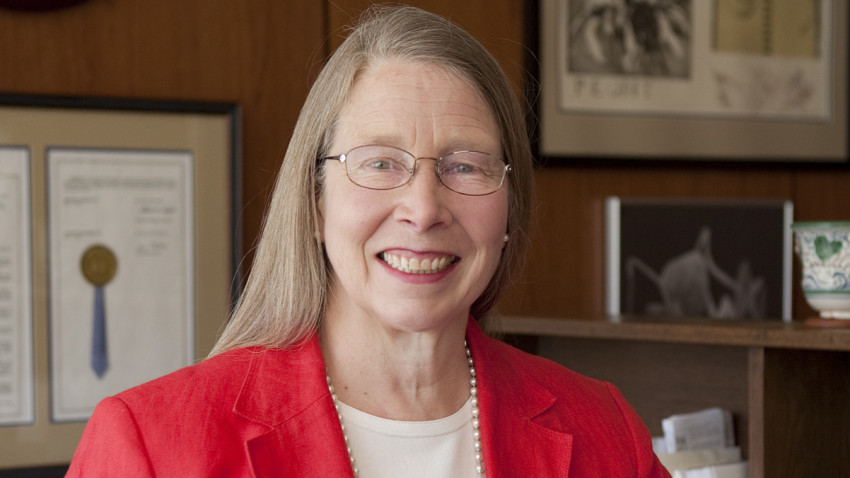
Susan Henry, former dean of the College of Agriculture and Life Sciences and a molecular geneticist whose breakthroughs in understanding cell metabolism led to new human pharmaceuticals, died March 7 at age 79.
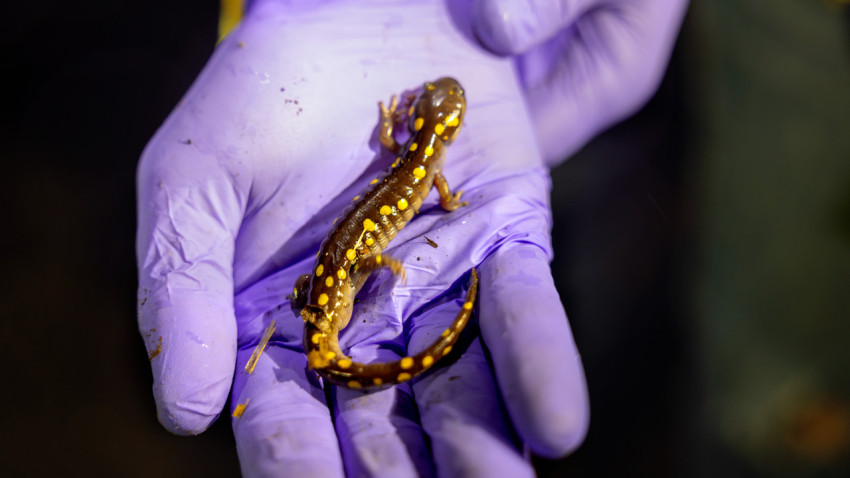
Led by two Cornell graduate students, more than 300 volunteers are heading out into the rain on warm spring nights to help migrating salamanders and frogs.