
News
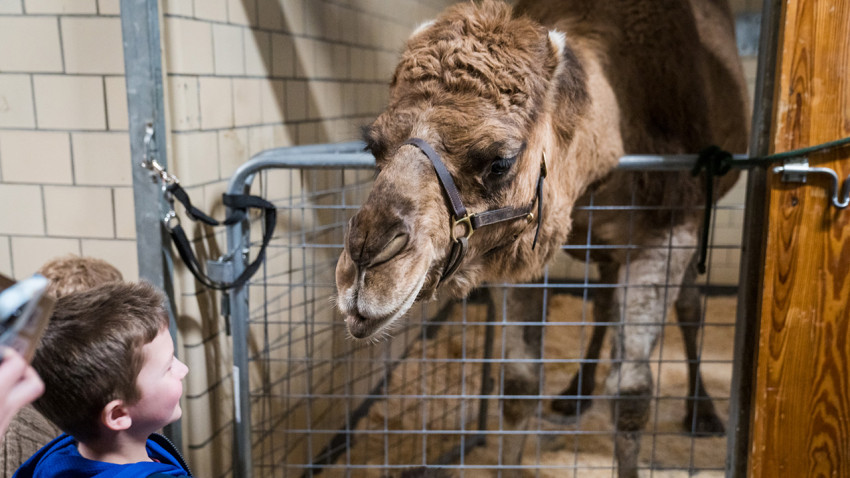
The Cornell College of Veterinary Medicine (CVM) will welcome community members of all ages to its annual CVM Open House on Saturday, April 11, from 9 a.m. to 3 p.m. The event is free and open to the public.
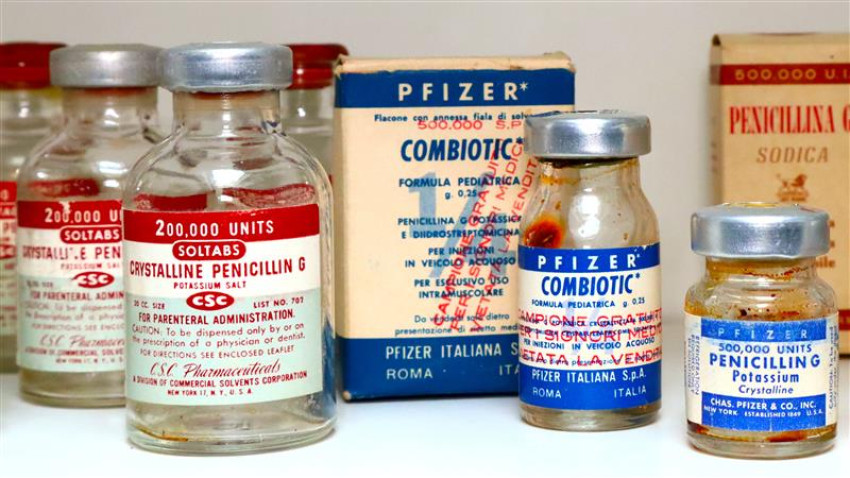
A new study reveals for the first time the metabolic changes that allow bacteria to survive high doses of penicillin, a classic β-lactam antibiotic. The study also uncovered a weakness in how the bacteria survive, which may help scientists find better ways to fight antibiotic tolerance in the future.
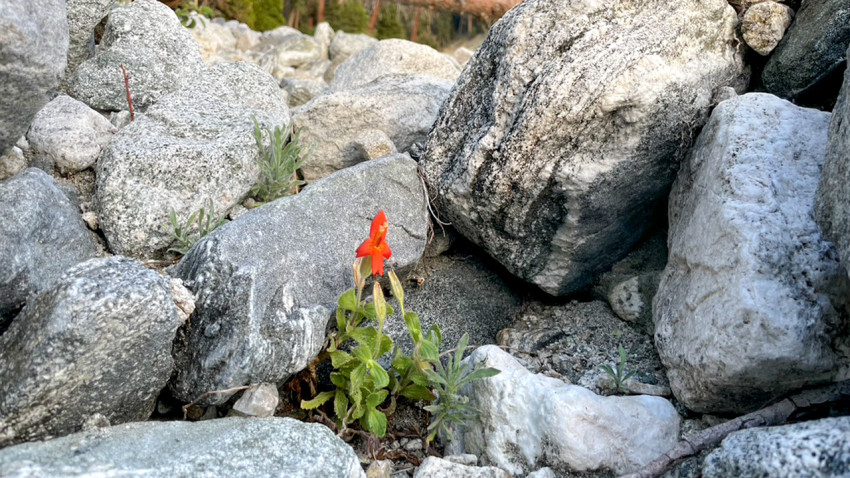
In response to extreme drought, scarlet monkeyflower populations rapidly evolved and recovered, providing a window into climate change adaptation.
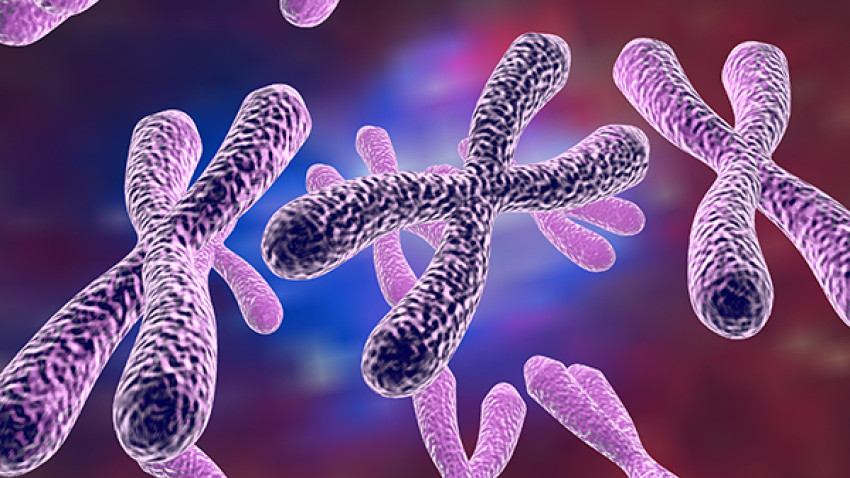
Research finds that chromosomal inversions – which occur when a chunk of chromosome containing tens to thousands of genes breaks off, flips and reattaches – help certain species maintain genetic differences adapted to various regions.
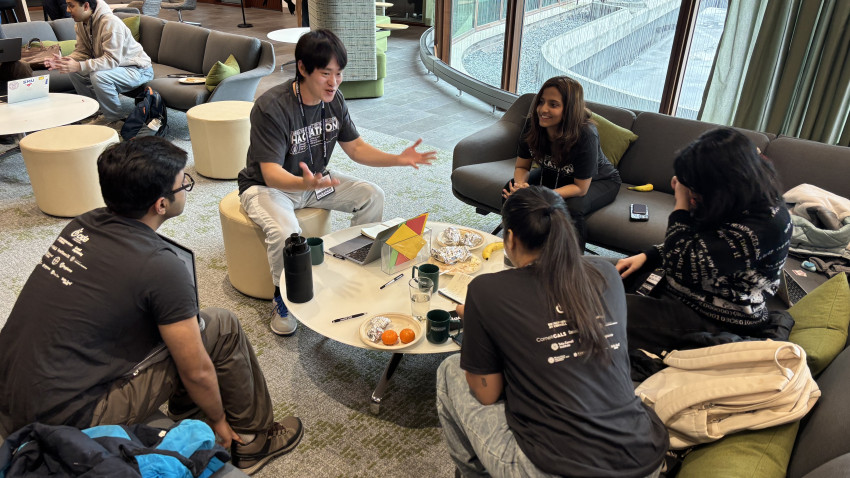
The Digital Ag hackathon, sponsored by the Cornell Institute for Digital Agriculture and powered by Entrepreneurship at Cornell, brought 116 students to Atkinson Hall for the weekend of Feb. 27-March 1.

A new study in mice reveals that adults’ exposure to diverse microbes and allergens may in fact worsen certain allergic conditions.
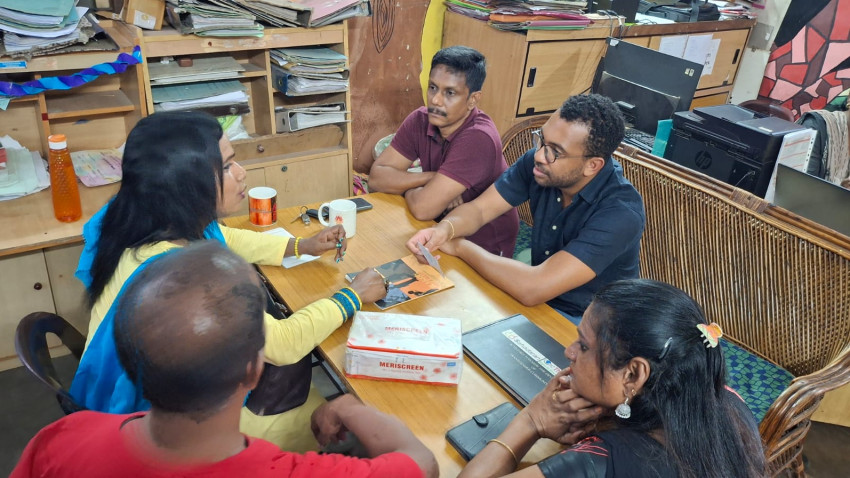
Fourteen members of Cornell’s faculty and staff are being recognized this year with Community-Engaged Practice and Innovation Awards from the David M. Einhorn Center for Community Engagement.
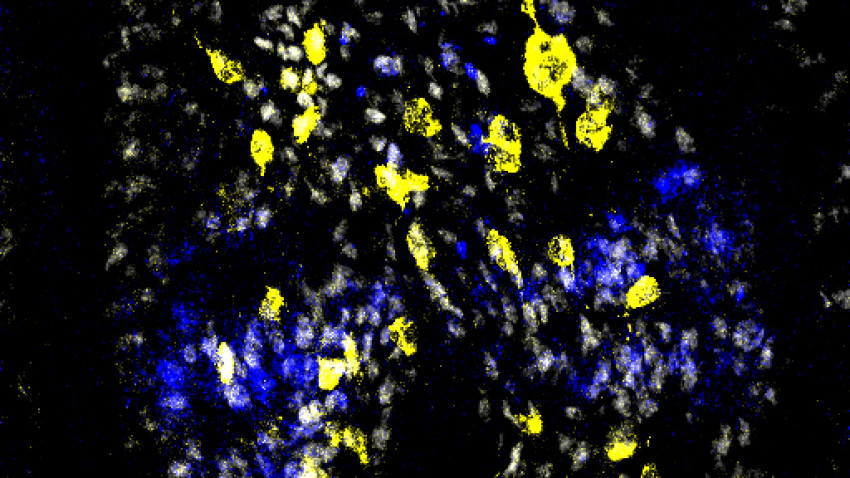
Researchers gain an understanding of how the planarian flatworm prevents their stem cells from making mistakes when they regrow entire body parts.
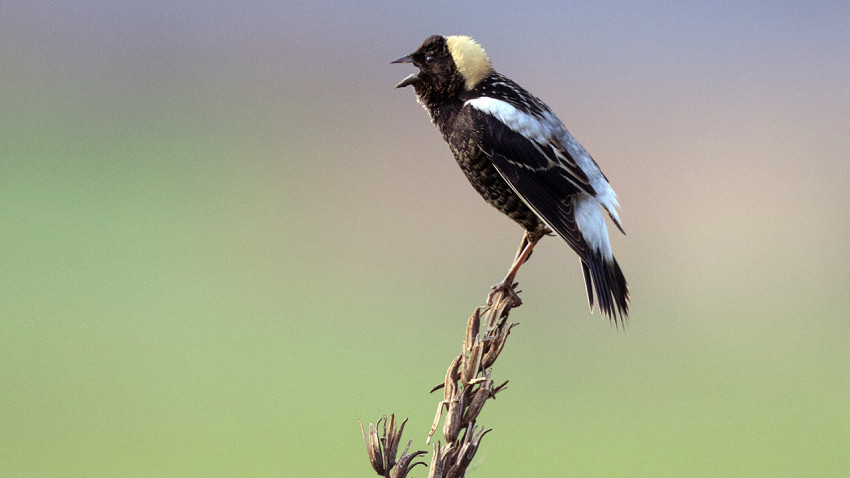
In June 2023, smoke from Canadian wildfires dampened birds’ vocalizations in New York state, with a particularly negative effect on already imperiled grassland birds.
Researchers at Cornell's Weill Institute for Cell and Molecular Biology have uncovered new evidence that two major types of gene-controlling DNA sequences, promoters and enhancers, operate with a shared logic and often perform the same jobs.
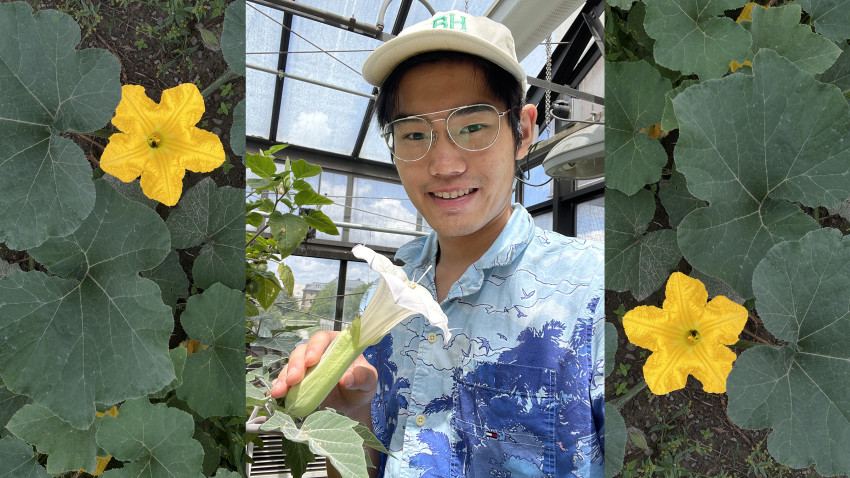
Jonathan Chai ‘24 explored whether squash floral humidity plays a role in pollen viability and behavior of squash pollinators and floral predators.